
Tree Risk Assessment and Hazard Evaluation
Not every concerning tree needs to be removed - but every concerning tree should be evaluated with clear, honest guidance. Our risk assessments help you understand what you’re seeing: deadwood, frost cracks, lean, root issues, decay indicators, canopy dieback, poor branch attachments, or changes after storms.
We’ll walk the property with you, evaluate the tree(s), and explain the findings in plain language. If action is needed, we’ll recommend the most practical next step - pruning, removal, monitoring, or a staged plan. This service is especially helpful if you’re unsure whether a tree is dangerous, you’re buying/selling a home, or you want a professional opinion after a storm.
A risk assessment may include:
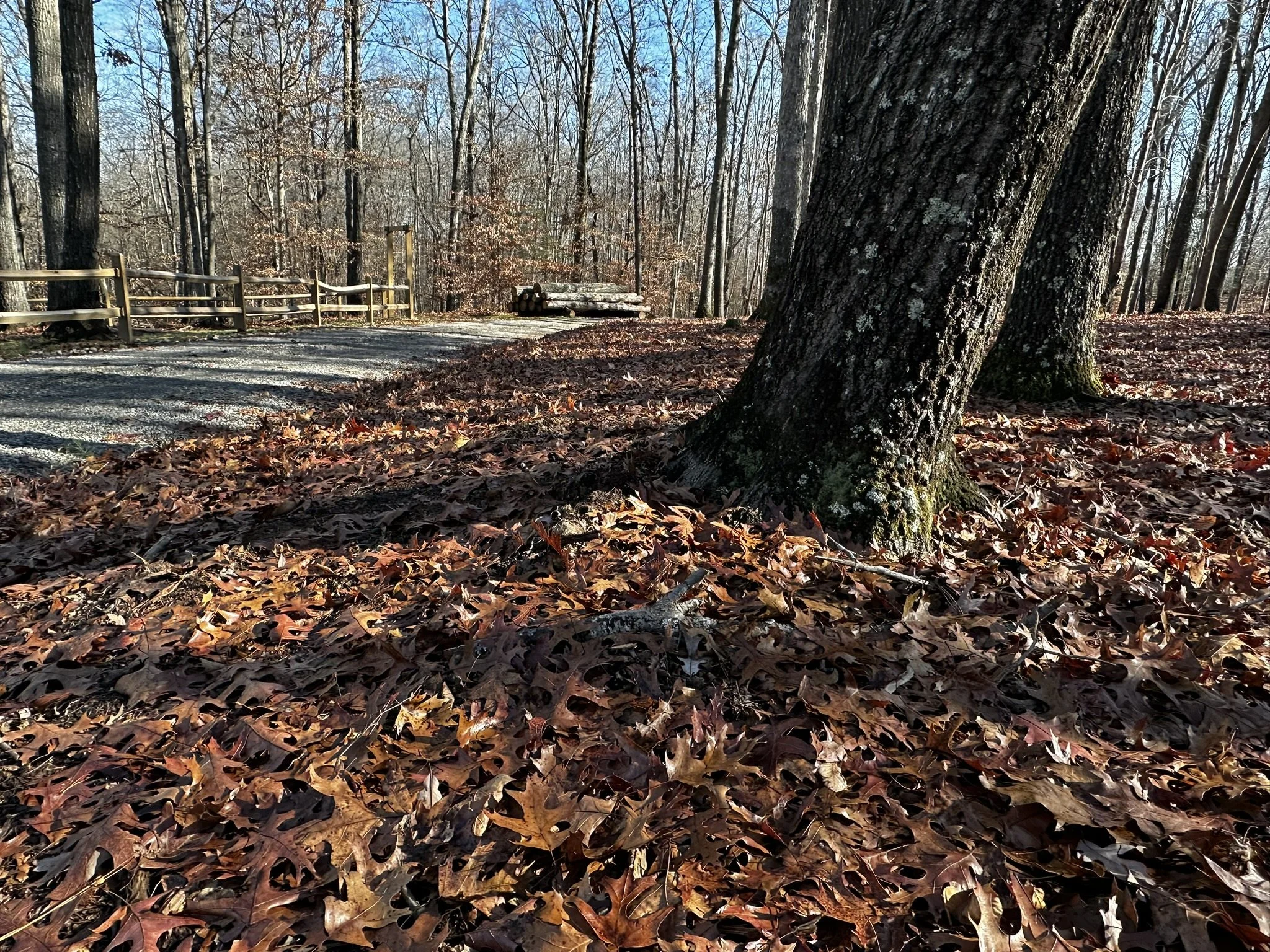
Visual inspection of canopy, trunk, and root flare
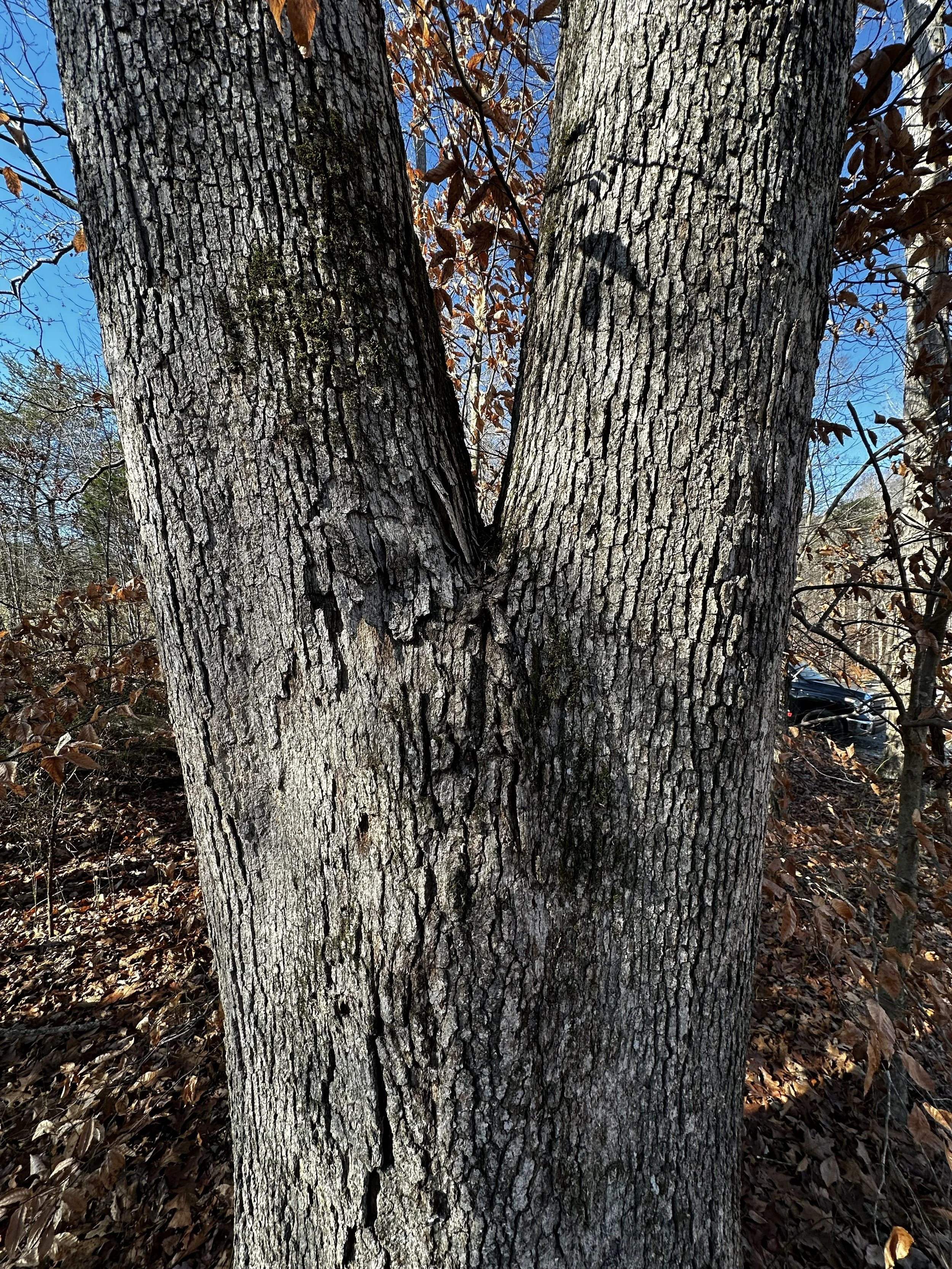
Identifying deadwood, decay indicators, weak unions, or cracks
Evaluating lean and targets (home, driveway, play areas)
Discussing realistic options and priority ranking
Straightforward recommendations based on safety and longevity
Outcome:
You know where you stand - and what to do next - without pressure or scare tactics. 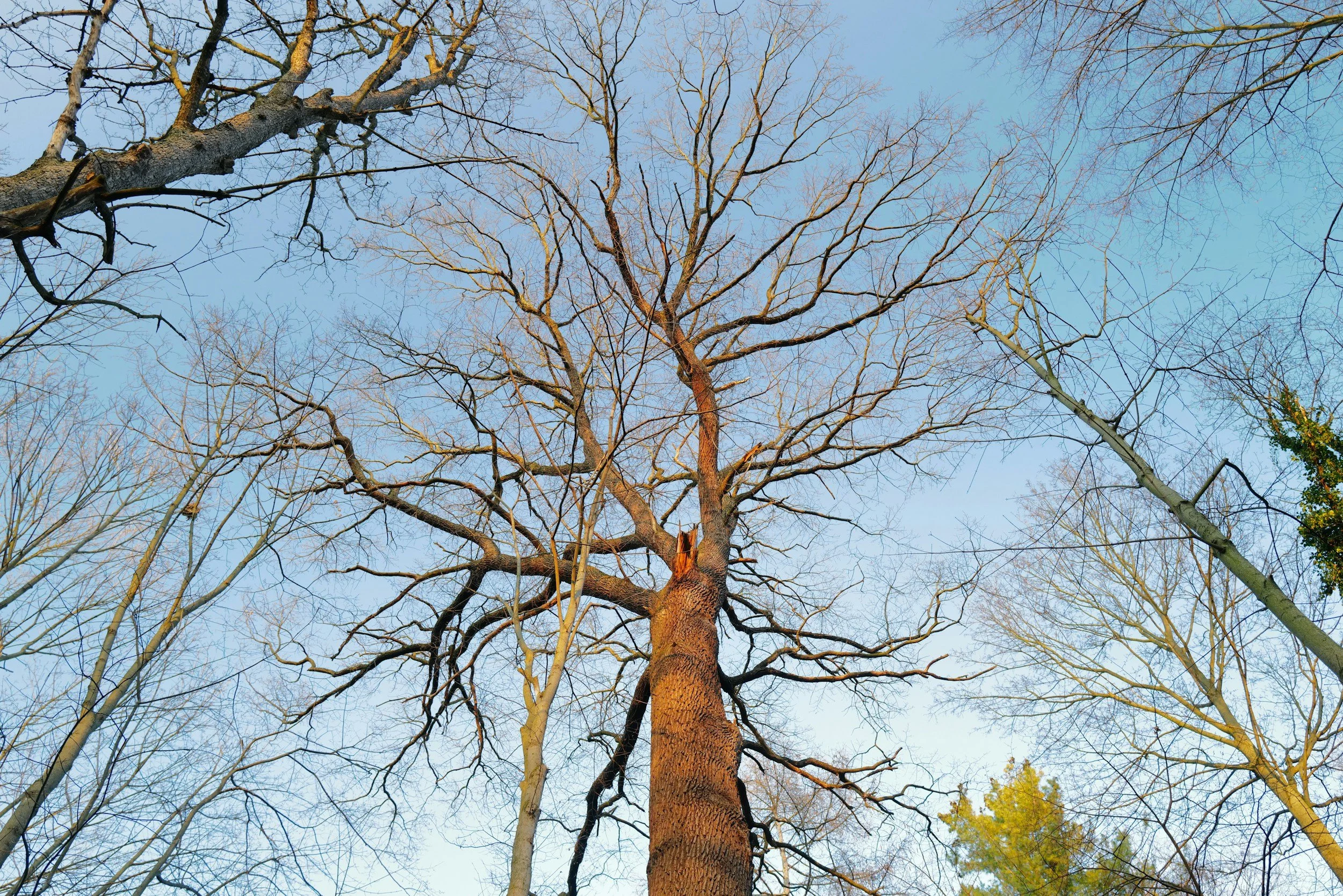
Frequently Asked Questions
Still have questions? Take a look at the FAQ or reach out anytime. If you’re ready to get started, go ahead and fill out our request a quote form!
-
Common warning signs include deadwood, cracks, cavities/decay, sudden lean, root heaving, hanging limbs, or canopy dieback. A professional assessment helps confirm what’s cosmetic vs. what’s a real risk.
-
We look at canopy health, deadwood distribution, trunk defects, weak unions, cracks, fungal indicators, root flare condition, and site factors like soil changes and recent storms.
-
We can do either. Many homeowners prefer a clear, verbal summary on-site, but we can also provide written notes/recommendations if you want documentation.
-
In many cases our tree risk assessments are free! If the site is complex or the assessment is going to be overly time consuming we’ll let you know and quote you up front.
-
A lean isn’t automatically dangerous - some trees have leaned for years. We evaluate whether the leaning tree is stable, recent, increasing, or paired with root issues or defects that raise risk.
-
Not at all. Our goal is to give you clear, honest information so you can make an informed decision. If you want us to handle the work, we’ll provide a straightforward estimate.